
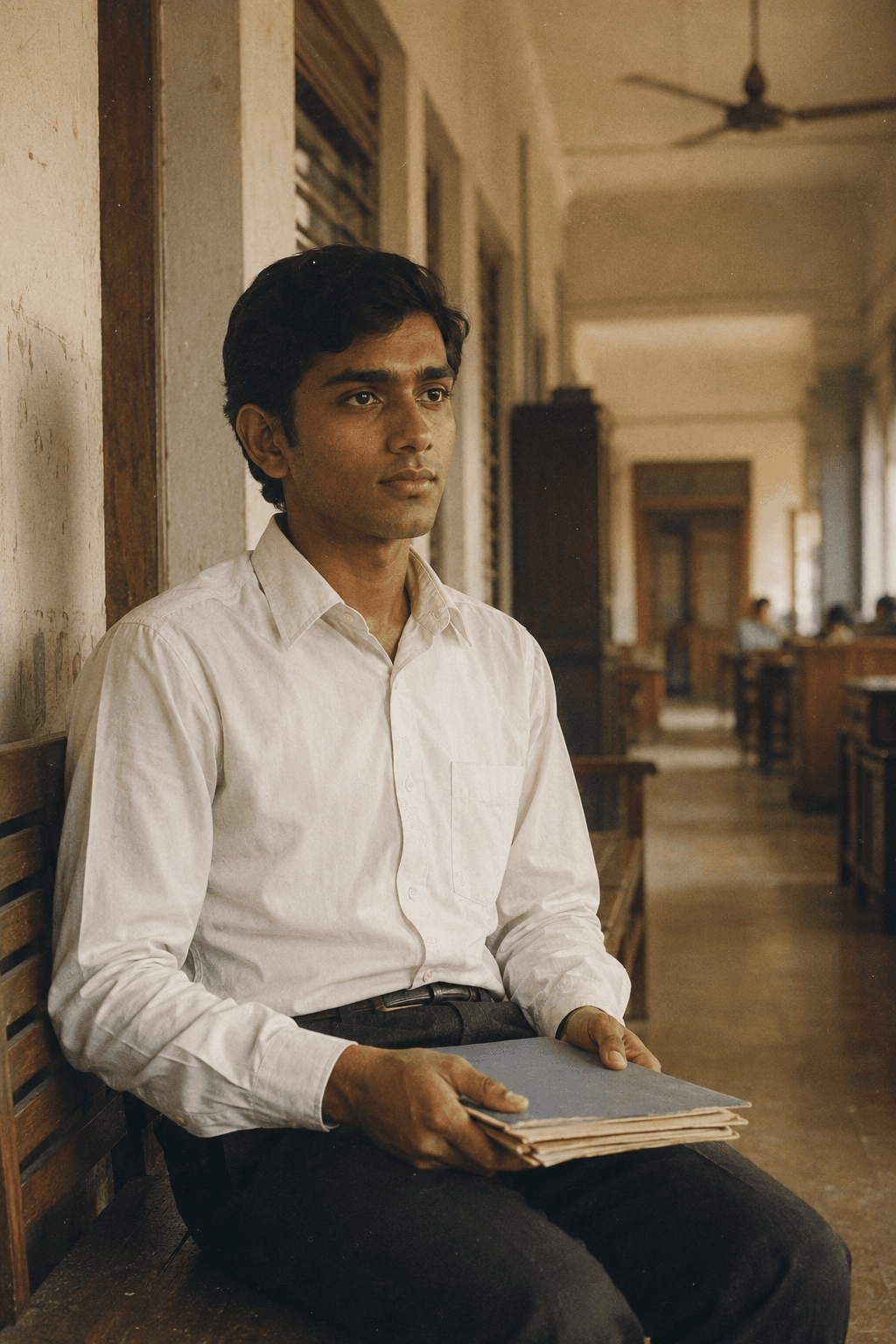
The day your grandfather sat for his first interview
Your elder's life, in their own voice, arriving in yours.From home to wherever you are.
The day your grandfather sat for his first interview

The prank your mother still laughs about
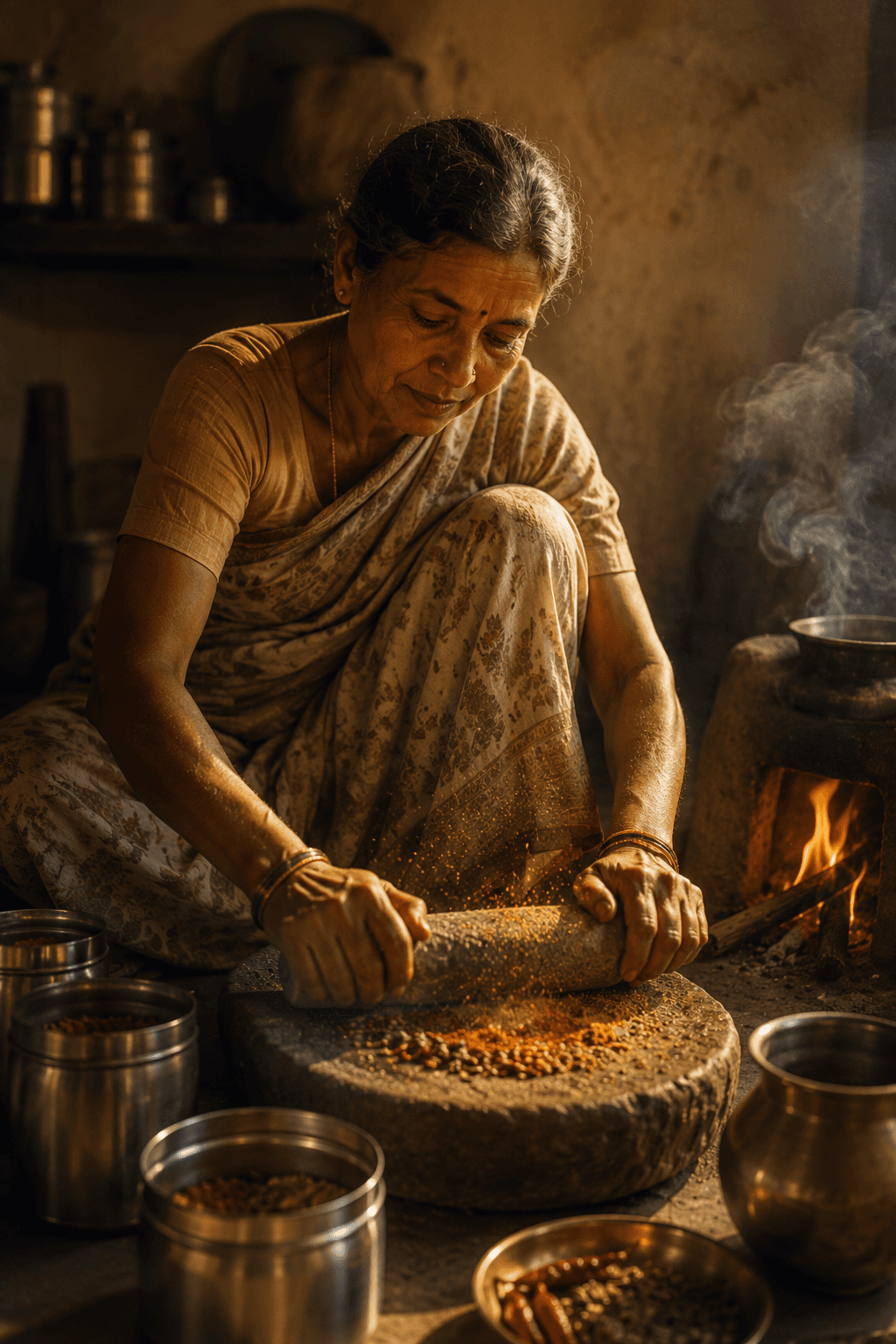
The recipe amma never wrote down
You built a life far from home, but the stories stayed behind.Alfaaz talks with your elders on WhatsApp, in their own language, and brings every story to you in their own voice, kept forever.
The Distance Is Real
You're 8,000 km away. Juggling work, bills, health, relationships and building a life for yourself. They're home, with a lifetime of stories and no one sitting across from them to hear it.

Your world
Their world
It's not that you don't care.
It's that there's never enough time. So the stories keep waiting.
How it works
We ask on WhatsApp
A warm question lands as a voice note. No app, no account to set up.
They reply by voice
In Hindi, Indian English, Marathi, Telugu, Bengali, Tamil, Gujarati or Punjabi. At their pace, when the mood strikes.
Each reply builds into their story
We shape every answer into a page your family keeps, the original recording kept with it.
 A growing memoir
Chapter Two · Childhood
वो चल तो एकदम character में रहा था, पर जब ऊपर गली में नितिन ने देखा, फिर तो जो शर्मा के भागा हैVoices Already Saved

Mohan Kumar, 62
Delhi

Pankaj Sharma, 56
Jaipur

Sukirti Joshi, 60
Lucknow

Vibha Anand, 55
Delhi
Swipe to hear more
इन सब में एक दोस्त रह गया जिसका हम नाम नहीं लिया वो है संजय। वो बहस नहीं करता था, सिर्फ सुनता था। आज भी उसका यही हाल है। बोल नहीं पाता, logic से शब्द नहीं है उसके पास इतने, लेकिन सुनता अच्छा है। वक्ता नहीं है, श्रोता बहुत अच्छा है।
There is one friend among all of them whose name I have not said: Sanjay. He never argued, he only listened. He is still the same today. He cannot speak much, he does not have that many words for an argument, but he listens well. He is not a speaker. He is a very good listener.
अरे तब हम बहुत छोटे बच्चे हुआ करते थे ना। तो हमारे मामा जी का एक नया घर बन रहा था, जो Urban Estate, करनाल में था। तो हम वहां जाया करते थे। तो वहां मस्ती की सबसे बड़ी बात पता क्या थी? मेरे जो दोनों cousin थे ना, अरुण और तरुण, उनके पास ना bicycle हुआ करती थी। तो हम bicycle पे वहां जाते थे घर देखने के लिए कि construction चल रही है, labor काम कर रही है। तो हम थोड़ी देर वहां अपना पहले time pass करते थे और आसपास ना पूरा ground खाली था वहां पर। दूर-दूर तक अभी घर सबके बन रहे थे क्योंकि new location थी सारी की सारी। तो वहां क्या हुआ, एक बार ही ना कुछ जो donkey होते हैं ना वो हमें नजर आए। तो एक बड़े वाले cousin ने कहा, “अरे आज donkey पकड़ते हैं।” “अरे donkey कैसे पकड़ेंगे?” “अरे नहीं यार, donkey की सैर करेंगे।” “अबे गधे की सैर कौन करता है?” सब हंस पड़े। कहता है, “नहीं-नहीं यार, आज पकड़ेंगे।” हमने क्या किया? बच्चे तो थे शरारती, खुराफात तो हमारे भी अंदर थी। हमने एक cycle का tyre लिया, bicycle का जो tyre होता है। उसके साथ हमने एक लंबी सी rope बांधी और rope लेकर donkey के पीछे भागने लगे। जैसे hunters पकड़ते हैं ना, शिकार करते हैं गले में पकड़ के। ऐसे अपनी bicycle से उनके पीछे जाएं, उनके गले में किसी तरह से अपना tyre डालने की कोशिश करें कि tyre अंदर जाए तो हम उसको पकड़ सकें। At last, काफी देर के बाद हमने उसको पकड़ लिया। उसके बाद सबसे पहले जो उसकी सवारी थी ना, तो मैं सबसे छोटा था। तो मैंने तो चल लिया पकड़-पकड़ के डर के मारे। जैसे मेरा दूसरा cousin उस पे बैठने लगा, वो donkey ही गिर गया और हम सब खूब हँसे और उसके बाद donkey अपना उछल के भाग गया। ये तो हमने शुक्र मनाया कि किसी को उसकी लात नहीं लगी, नहीं तो हम दोनों में से कोई एक आधा तो चोट खा ही लेता। यह सबसे interesting story है जो मुझे आज तक करनाल की याद है।
We were very small children then. My uncle's new house was being built in Urban Estate, Karnal, so we used to go there. Do you know what the best part of the fun was? My two cousins, Arun and Tarun, had a bicycle. We would ride there to watch the house, the construction going on, the labourers working. We would pass some time there, and all around the ground was empty. Houses were still being built far into the distance because the whole location was new. One time we spotted some donkeys. The eldest cousin said, “Let us catch a donkey today.” “How will we catch a donkey?” “No, we will go for a ride on it.” “Who rides a donkey?” Everyone burst out laughing. He said, “No no, today we will catch it.” What did we do? We were mischievous children, we had that troublemaking in us too. We took a bicycle tyre, tied a long rope to it, and ran after the donkey with the rope, the way hunters catch their prey by the neck. We chased them on our bicycles, trying somehow to get the tyre over the neck so that we could hold it. At last, after a long while, we caught it. Then came the first ride, and I was the youngest, so I managed to sit and hold on out of fear. The moment my other cousin climbed on, the donkey collapsed, and all of us laughed and laughed, and then the donkey leapt up and ran off. We thanked our luck that it had not kicked anyone, otherwise one of the two of us would certainly have been half injured. This is the most interesting story I still remember from Karnal.
यही कि इसे मैं दुनिया भर की खुशियां दूंगी। जितना भी बन पड़ेगा, जितना भी हो सकेगा सब दूंगी इसे मैं। हर तरह से ख्याल रखूंगी। खूब पढ़ाऊँगी, लिखाऊँगी। बस यही thoughts थे।
Only this: that I would give this child all the happiness in the world. Whatever I could manage, whatever was possible, I would give. I would take care in every way. I would educate this child well. Those were the only thoughts I had.
एक बार मेरे birthday पर बहुत interesting बात हुई। हमारे घर में TV नहीं होता था तो हम साथ वाले घर में ऊपर third floor पर किसी के घर में बैठकर TV देखा करते थे। तो कोई program आ रहा था, बड़ा interesting सा। तो मैं बैठ के देख रही थी और मैंने time पे ध्यान नहीं दिया। उस समय पौने नौ हो गए थे। साढ़े आठ, पौने नौ हो गए थे और बुआ जी घर आ गई थीं। ये संतोष बुआ, नानी बुलाते हैं जिनको। तो मुझे भैया बुलाने आया। “aunty आ गई हैं, बुला रही हैं।” मैं बहुत डर गई। मैंने कहा, अरे गुस्सा करेंगी बहुत कि इतनी late हो गई। मैं जैसे ही घर आई, वो मेरे लिए बहुत सारा खाने का सामान ले-लेकर आई हुई थीं। उस दिन मेरा birthday था।
Something very interesting happened on my birthday once. We did not have a TV at home, so we used to sit in a neighbour's house on the third floor and watch television there. Some programme was on, a very interesting one. I sat watching and lost track of the time. It had become a quarter to nine by then. Half past eight, a quarter to nine, and my aunt had come home. This is Santosh Bua, the one the children call Nani. My brother came to fetch me: “Auntie has arrived, she is calling you.” I was very frightened. I thought she would be angry that I was so late. The moment I came home, she had brought armfuls of food for me. That day was my birthday.
every number measured from our own records · refreshed daily · 2026
Before you ask
Families who already have it covered: you record their stories yourself, or a writer is already at work on their book. Families we can't help yet: the language they tell stories in isn't one we speak, or they're no longer with us. And families who don't want it: you're not on speaking terms, or you're not curious about the life they had before you. If that's you, we'd rather say so now.
Most elders already send voice notes to family on WhatsApp. Alfaaz uses that same familiar habit: a short text introduces itself first, she taps once to begin, and from then on a warm voice note arrives and she replies when she feels ready. There is no camera, account, or new app for her to learn.
Phone calls matter, but they depend on everyone being free at once and often stay with daily logistics. Alfaaz is asynchronous, so an elder can answer at their own pace. Its questions are designed to dwell on memories that ordinary calls rarely reach: the first job, the old neighbourhood, the recipe that was never written down.
No. If they can listen to and send a WhatsApp voice note, they have the main skill they need. You handle setup and send them a ready-made introduction with a link to say hello. Once they respond, Alfaaz asks one spoken question at a time. No new app, account, password, typing, or camera is needed for the conversation.
Alfaaz surfaces stories families rarely think to ask about: childhood games and mischief, how your grandparents met, the first time your parents left home, the hardest year they lived through, and the people who shaped them. It also catches the texture of ordinary life. The smell of a grandmother's kitchen. The sound of a grandfather's workshop. The things that disappear quietly when no one thinks to ask.
You choose the first topic and help them get started. After that, Alfaaz handles follow-up questions and organizes their replies into stories. You can listen from anywhere, whenever you have time; nobody needs to coordinate time zones. You can suggest a topic or pause conversations, and we may ask for your help if they have trouble getting going.
Choose Hindi, Indian English, Marathi, Telugu, Bengali, Tamil, Gujarati, or Punjabi during setup. Alfaaz asks its questions in that language, and your parent replies in it. Choose the language they feel most at home speaking. There is no need for them to tell their stories in English for the family's sake.
Your archive is for your family and the people you share it with. We do not sell stories, use them for advertising, or train AI models on them. Service providers process them to run Alfaaz, and authorized staff may review affected content to fix problems. You or your elder can request deletion. The trust page explains these commitments in full.
Your family's first plan starts with a 21-day free trial. After that, plans for one elder start at $51 a quarter (USD), with six-month and yearly plans and plans for two elders, and you can pay by card from abroad. Each plan renews at the end of its period until you cancel. Cancel any time, in two clicks. It keeps running until the end of the period you have already paid for, and nothing is taken after that. When the term ends, new conversations stop. Everything already gathered stays yours to read and listen to, for good.
If you're reading this and wondering if it's too late,it's not. Not yet.


